Proven Commercial AI Art Licensing Strategy: 2026 $5K/mo Masterclass
The digital gold rush of the early 2020s has officially evolved. In 2026, simply clicking “generate” on a Midjourney prompt and throwing it onto a random website is no longer a viable business model. The market has matured. High-paying buyers—marketing agencies in New York, interior designers in Berlin, and tech giants in Silicon Valley—are no longer looking for “cool AI pictures.” They are looking for legally cleared, commercially viable assets.
If you want to build a sustainable $5,000/month empire, you need to stop thinking like a hobbyist and start thinking like a CEO. This masterclass will deconstruct the exact Commercial AI Art Licensing Strategy you need to dominate Adobe Stock, Etsy, and beyond.
Also Read: How to Sell AI Art Online for Passive Income: The 2026 $5,000/Month Blueprint
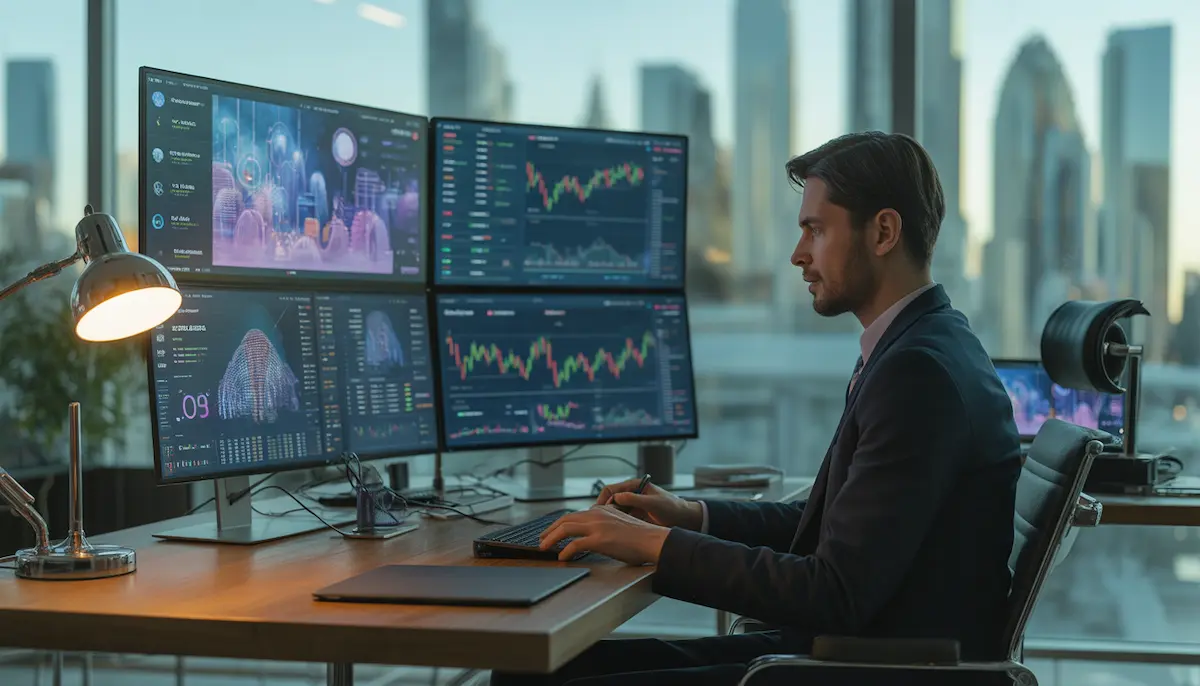
The Core Philosophy: Why “Licensing” is Better Than “Selling”
To build a $5,000/month empire in 2026, you must undergo a mental shift. Most amateur creators believe they are in the business of selling “JPEGs” or “Digital Files.” In reality, the elite 1% of earners are in the business of selling Legal Permissions. This is the heart of a successful Commercial AI Art Licensing Strategy.
1. Understanding Asset vs. Permission
When a corporate buyer—such as a global marketing agency or a tech conglomerate—downloads your work, they aren’t paying for the pixels. They are paying for the License. A license is a legal contract that defines the scope of use.
In the 2026 digital economy, “Ownership” is complex. Most AI platforms (like Midjourney or Leonardo) grant you the right to use the output, but the Commercial AI Art Licensing Strategy you provide to your customer is what actually protects them from litigation. By offering a clearly defined license, you are transforming a “cool image” into a “safe corporate asset.”
2. The “Fear-to-Trust” Conversion: Removing Legal Friction
In 2026, corporate legal departments are the biggest gatekeepers. They are terrified of “Copyright Infringement” and “IP Theft” associated with unverified AI models. If a company uses an AI image on a $1 million ad campaign and later finds out the image was trained on unlicensed data or lacks a model release, they face a PR nightmare and massive lawsuits.
By implementing a rigorous Commercial AI Art Licensing Strategy, you are effectively removing this “Fear” and replacing it with “Trust.” You aren’t just an artist; you are a Risk Mitigator. When you provide documentation that your assets are “Commercial-Ready,” you move from the $0.50 micro-royalty bracket to the $100 – $500 “Premium License” bracket. Trust is the only currency that commands a 1000x price premium.
3. Strategic Monetization: Micro-Royalties vs. High-Ticket Licenses
A standard Commercial AI Art Licensing Strategy in 2026 involves tiering your products:
The Standard License: Used for blogs or social media. These are high-volume but low-profit ($0.80 – $2.00 per sale).
The Extended/Enhanced License: This allows the buyer to print your art on physical products for sale (like T-shirts or mugs) or use it in high-budget TV commercials. These licenses can sell for $50 to $250 per download.
The Exclusive Buyout: For brands that want to own the “Aesthetic” entirely, you can negotiate thousands of dollars for a single high-utility prompt and its output.
4. Transparency as a Competitive Advantage
In 2026, transparency is no longer optional; it is a feature. A professional Commercial AI Art Licensing Strategy requires you to be honest about the tools used. Paradoxically, being “AI-Transparent” increases your value. It shows that you understand the technical guardrails of the industry, such as avoiding “Brand Hallucinations” (accidental logos) and ensuring “Model Releases” for AI-generated faces.
By focusing on the Licensing rather than the Image, you stop chasing pennies and start building a scalable, legally sound digital real estate portfolio that generates true passive income.
The Three Pillars of Licensing in 2026:
Pillar 1: Commercial Usage Rights & Platform Compliance
The first pillar of any Commercial AI Art Licensing Strategy is ensuring that you actually possess the right to sub-license your creations.
In 2026, major marketplaces like Adobe Stock and Shutterstock have integrated “AI verification trackers.” If you generate an image using a free tier or a non-commercial tool, their algorithms can often detect the metadata signature. To legally sell your work, you must use a “Pro” or “Enterprise” plan on platforms like Midjourney v7 or Leonardo.ai.
The Legal Shield: Your paid subscription is your “Receipt of Ownership.” Without it, your licensing is void, and your account is at risk of a permanent ban.
The 2026 Standard: Professional creators now maintain a “License Log”—a simple spreadsheet documenting the date, prompt, and tool version for every asset uploaded. This transparency is what high-ticket corporate buyers demand before signing a $500 extended license agreement.
Pillar 2: Model & Property Releases (The “Clearance” Rule)
One of the most overlooked aspects of a Commercial AI Art Licensing Strategy is the “Release” requirement. Even if a person in your image is 100% AI-generated, Western legal standards in 2026 often require a Generative AI Model Release.
Human Assets: If your AI art features a recognizable human face, you must “clear” it. Adobe Stock, for example, requires you to check a specific box or upload a digital release form stating the person is synthetic.
Property & Architecture: Similarly, if your AI accidentally “hallucinates” a recognizable landmark (like the Eiffel Tower) or a brand logo (like a car emblem), it cannot be licensed for commercial use.
The Strategy: Always “scrub” your images in Photoshop to remove accidental branding. A “Clean” image is a “Licensable” image.
Pillar 3: Technical Utility & Resolution (The “300 DPI” Standard)
The final pillar of your Commercial AI Art Licensing Strategy is the technical viability of the file. A license is worthless if the file cannot be used in real-world professional environments.
In 2026, professional designers in the USA and Europe work with high-density displays and large-format prints. An image that looks good on a phone screen but pixelates on a Retina display is a “broken product.”
Upscaling: You must use “Lossless AI Upscalers” (like Topaz Gigapixel) to reach a minimum of 4000px on the shortest side.
Print Readiness: Your metadata must be set to 300 DPI (Dots Per Inch). This ensures that when a buyer licenses your art for a magazine or a gallery wall on Etsy, the print quality is flawless.
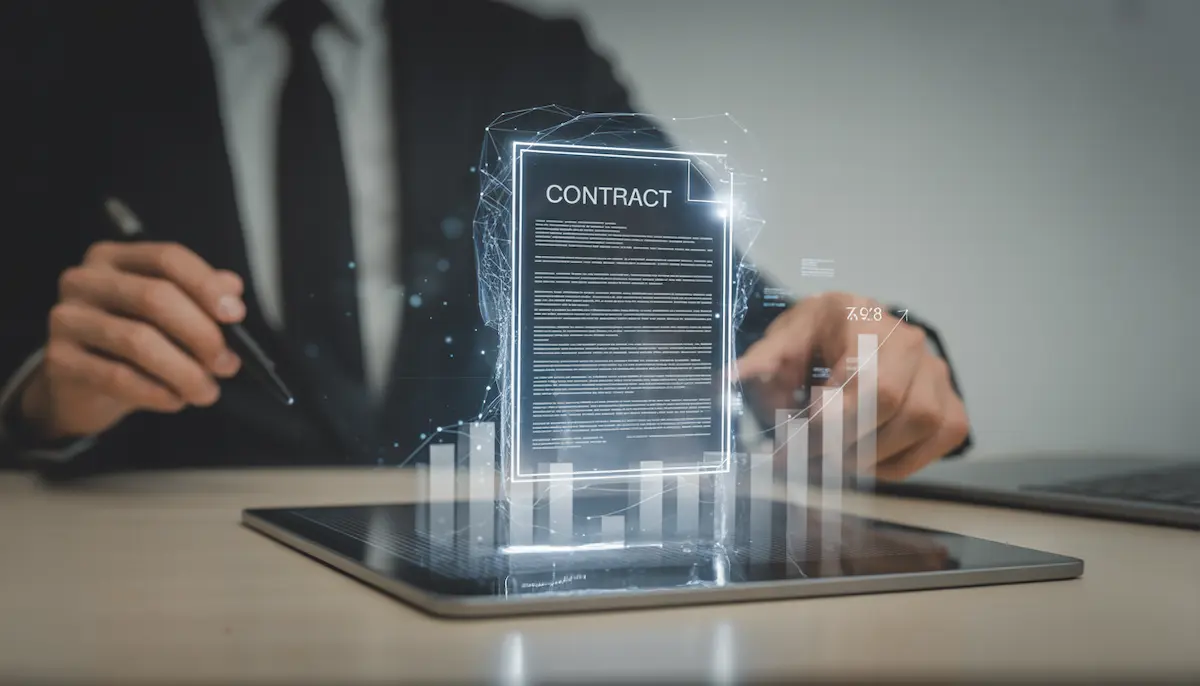
The “Million Dollar” Prompt Engineering Engine
1. The Physics of Realism: Mimicking High-End Hardware
A professional buyer in the USA or Europe can spot “AI Plasticity” instantly. To bypass this, your Commercial AI Art Licensing Strategy must incorporate the language of optical physics. In 2026, AI models like Midjourney v7 and DALL-E 4 respond best to specific focal lengths and sensor types.
The 85mm “Prime” Rule: For portraits and corporate headshots, 85mm is the gold standard. It creates a natural compression of facial features that looks expensive and professional.
The f/stop (Aperture) Logic: Use
f/1.8orf/2.8for “creamy bokeh” (blurred backgrounds). This isolates the subject and screams “High-End Studio Photography.” For architectural shots, usef/8orf/11to ensure edge-to-edge sharpness—a requirement for commercial real estate licensing.
2. The 4-Pillar “Commercial” Prompt Formula
To ensure consistency across your portfolio, every single asset in your Commercial AI Art Licensing Strategy should follow this structural blueprint:
[Subject + Emotion] + [Authentic Environment] + [Technical Camera Optics] + [Commercial Lighting Style] + [Aspect Ratio]
Subject + Emotion: Move beyond nouns. Use adjectives like “empathetic,” “focused,” or “collaborative.” Corporate buyers buy feelings, not just objects.
Authentic Environment: Avoid “white voids.” Prompt for “biophilic offices,” “sustainable urban gardens,” or “minimalist Scandinavian lofts.”
Commercial Lighting: Use terms like “Golden Hour,” “Volumetric Rim Lighting,” or “Soft Box Studio Light.” Lighting is 90% of the “License-Ready” look.
3. Case Study: High-Value Niche Execution (Medical & Tech)
As mentioned, the “Modern Healthcare” niche is one of the highest-paying categories in 2026. Let’s compare the financial outcomes of two different approaches:
| Feature | The Amateur Approach | The Professional Strategy |
| Prompt | “Doctor with a stethoscope” | “Empathetic female pediatrician, 85mm lens, f/1.8, natural light” |
| Visual Quality | Flat lighting, “Waxy” skin, generic background. | Depth of field, realistic skin pores, high-end “Medical Journal” vibe. |
| License Type | Standard Personal Use ($0.10) | Commercial AI Art Licensing Strategy ($50 – $250) |
| Market Fit | Social Media Memes | Global Healthcare Apps / Pharmaceutical Ads |
4. Texture Anchoring: Killing the “AI Look.”
To truly succeed in a Commercial AI Art Licensing Strategy, you must use “Texture Anchors.” These are keywords that force the AI to render micro-details that look like real photography.
Skin: Use “Visible skin pores,” “Hyper-realistic skin texture,” or “Natural skin imperfections.”
Fabric: Use “Highly detailed linen weave,” “Sharp cotton textures,” or “Tactile wool.”
Atmosphere: Use “Subtle dust motes,” “Refractive lens flare,” or “Motion blur” to add a sense of life and motion that static AI often lacks.
5. The “Negative Space” Secret for Designers
A major part of a pro-level Commercial AI Art Licensing Strategy is thinking about the end-user. Graphic designers in 2026 need Negative Space (empty areas) to place text, logos, or headlines.
Pro Tip: Use prompts like “wide shot with ample copy space on the right” or “minimalist background with room for text.” This makes your image 10x more likely to be licensed for magazine covers or website banners.
Mastering Adobe Stock & Shutterstock (The Passive Engine)
To scale your Commercial AI Art Licensing Strategy to a $5,000/month powerhouse, you must treat Adobe Stock and Shutterstock as your high-frequency trading floors. These aren’t just “upload and pray” sites; they are elite marketplaces where your assets undergo rigorous quality audits.
In 2026, these platforms have implemented sophisticated AI-Quality Filters. If your technical specs are off by even a fraction, your account health score drops. Here is the master-level technical workflow to ensure your assets are “Wall Street” ready.
1. The “300 DPI” Technical Gold Standard
Most AI generators (Midjourney, DALL-E) render images at 72 DPI (Dots Per Inch). This is fine for an Instagram post, but it is a “Death Sentence” for professional licensing. A graphic designer in New York or a print agency in London will reject a 72 DPI image instantly because it will pixelate on a physical product.
A professional Commercial AI Art Licensing Strategy requires a Print-Ready workflow:
The Resolution Goal: You need a minimum of 4000 to 6000 pixels on the shortest side.
The Photoshop Step: After upscaling, open your file in Photoshop, go to
Image Size, uncheck “Resample,” and change the Resolution to 300 Pixels/Inch.Why it Matters: This ensures your art is ready for everything from a high-end magazine cover to a 10-foot billboard in Times Square. When a buyer sees “300 DPI” in the metadata, their trust in your brand doubles.
2. Lossless Upscaling: Beyond the “Stretch.”
Never use a standard “image resizer.” To maintain a professional Commercial AI Art Licensing Strategy, you must use Lossless AI Upscaling. * Topaz Gigapixel AI (The Industry Leader): This tool doesn’t just make the image bigger; it uses neural networks to “re-draw” missing details like skin pores, fabric weaves, and sharp edges.
Magnific AI: For high-end creative shots where you want to add “extra” micro-details that weren’t in the original prompt.
Technical Tip: Always upscale to 4x or 6x. Adobe Stock moderators look for “Artifacting” (weird digital noise). Professional upscaling removes this noise, giving your image a “Clean Optical Look” that mimics a $10,000 Sony camera.
3. The “Generative AI” Checkbox: Your SEO Secret Weapon
In 2026, many amateurs try to hide the fact that they use AI. This is a massive mistake. A successful Commercial AI Art Licensing Strategy thrives on Transparency.
The Trust Score: When you check the “Generative AI” box during upload, you are complying with global legal standards. This builds your “Trusted Contributor” status.
The Search Advantage: Adobe’s search engine now has a specific filter for “Generative AI.” By tagging it correctly, you appear in front of buyers specifically looking for the “Perfect, Clean, and Conceptual” look that only AI can provide.
Metadata Ethics: Always list “Generative AI” in your main categories. This protects your account from being flagged for “Misleading Content” and ensures your Passive Income stream remains uninterrupted for years.
4. Post-Production: The “Commercial Polish.”
Before you hit “Submit,” your Commercial AI Art Licensing Strategy requires one final step: The Polish.
De-Noising: Use the AI De-noise feature in Adobe Lightroom. AI often creates a “digital grain” in dark shadows. Removing this grain makes the image look “Expensive.”
Color Grading: Avoid “Neon” or “Oversaturated” colors. High-end agencies prefer Naturalistic Tones. Use a “Matte” or “Neutral” color profile to make your work look more like a professional photoshoot and less like a computer render.
The Logo Scrub: Check every corner for “Hallucinated” logos. Even a squiggle that looks like a Nike “Swoosh” will get your image rejected for IP violations.
The Passive Income Compound Effect
The beauty of this technical rigor is the Compound Effect. One high-quality, upscaled, 300 DPI image might earn you $1.00 today. But if that image is technically perfect, it stays in the “Top Rated” search results for a decade. With a portfolio of 3,000+ “Wall Street” ready assets, you aren’t just selling art—you are owning a piece of the global advertising infrastructure.
The Etsy Boutique Strategy (High-Margin Branding)
While Stock sites are for “Volume,” Etsy is for “Value.” Here, you don’t sell a file; you sell a Brand.
The “Digital Bundle” Logic
On Etsy, the average buyer in the USA or UK wants a “complete solution.”
Don’t Sell: 1 Boho landscape for $2.
Do Sell: “The Earthy Tones Gallery Wall: 25 High-Res Digital Prints for Modern Living Rooms” for $24.99.
Use Professional Mockups
Buyers on Etsy are visual. Use AI to generate “Mockups”—show your art hanging in a luxury London apartment or a cozy Parisian café. This is the “Retail” side of your Commercial AI Art Licensing Strategy.
The Math of $5,000/Month: A Realistic Breakdown
Let’s be honest—you won’t get rich with 10 images. You need a “Digital Real Estate” portfolio.
| Platform | Asset Count | Avg. Monthly Earning | Strategy |
| Adobe Stock | 2,500 Images | $1,800 – $2,200 | Focus on Corporate/Medical/Tech |
| Etsy | 50 Bundles | $2,000 – $2,800 | Focus on Nursery/Home Decor |
| Direct Licensing | 5 Clients | $1,000+ | Selling “Extended Licenses” to Blogs |
Total: Approximately $5,000/month of (mostly) passive income.
Niche Research (Where is the Money in 2026?)
To stay ahead, your Commercial AI Art Licensing Strategy must target “Low Supply, High Demand” areas.
Sustainable Green Tech: EV charging stations, vertical farming, and hydrogen energy concepts.
Neurodiversity in the Workplace: Authentic portrayals of different learning styles and modern office inclusive designs.
Luxury “Quiet Luxury” Interiors: Minimalist, high-end Japandi or Mediterranean textures for digital wallpaper.
Legal Guardrails: Protecting Your Empire
In 2026, “Copyright” is the biggest hurdle.
Avoid Brands: Never generate an image with a Nike logo or an iPhone. It will be rejected.
Signature-Free: Ensure your AI doesn’t put “signatures” or “watermarks” in the corner.
IP Check: Use Google Lens to see if your AI art is “too close” to a famous artist’s style. If it is, tweak the prompt.
Conclusion: Your 90-Day Roadmap to $5K
We have deconstructed the Commercial AI Art Licensing Strategy from the ground up. You now have the technical knowledge, the SEO framework, and the marketplace logic to succeed.
Days 1-30: Focus on Quality. Master the “Commercial Prompt” and generate your first 300 elite assets.
Days 31-60: Focus on Distribution. Upload 10 assets daily to Adobe Stock and Shutterstock. Open your Etsy shop.
Days 61-90: Focus on Optimization. Look at your “Sales Data.” Which niches are winning? Double down on those.
The 2026 market doesn’t reward the “fastest” prompter; it rewards the “smartest” strategist. Build your library, protect your licenses, and secure your passive income empire.
Frequently Asked Questions (FAQ)
Q1: Can I use free AI tools for this strategy?
No. Most free tools do not give you commercial rights. For a professional Commercial AI Art Licensing Strategy, you need a paid Midjourney or Leonardo.ai plan.
Q2: How do I handle taxes for USA sales?
Most platforms like Adobe and Etsy will ask you to fill out a W-8BEN form if you are outside the USA. This is standard and ensures you aren’t double-taxed.