Midjourney v6 vs DALL-E 3 (2026): Which AI is Better for Designers?
In the rapidly evolving world of 2026, the question isn’t whether you should use AI in graphic design, but which AI will give your business the competitive edge. If you are a freelance designer in New York or a creative agency in London, choosing between Midjourney v6 and DALL-E 3 is the most critical decision you’ll make this year.
But here’s the kicker: One is an artist, and the other is a genius assistant. Which one does your commercial project actually need? Let’s dive deep into the pixels.
Also Read: Top 10 Amazing AI Image Generators for Designers & Marketers in 2026 (Free & Paid Tools)
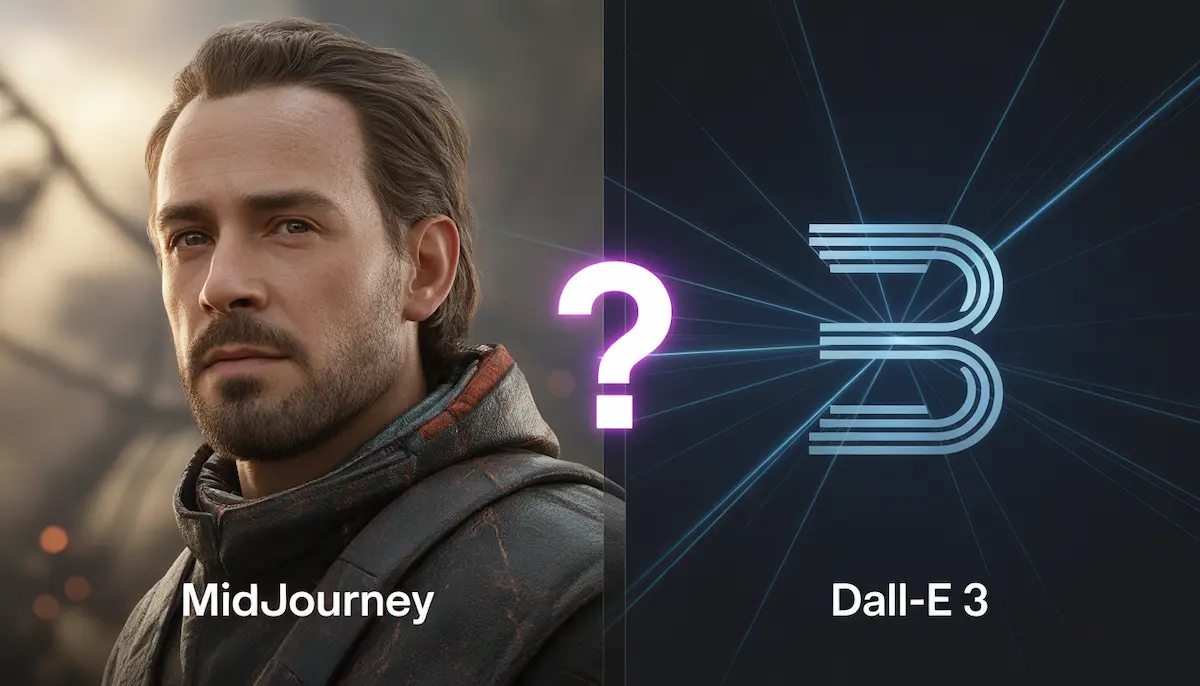
1. The Core Philosophy: Artistic Soul vs. Semantic Precision
To truly master AI-driven design in 2026, one must look beyond the surface level of pixels and understand the underlying “DNA” of these two titans. They are not merely competing tools; they represent two distinct philosophies of digital creation. The fundamental difference lies in how they decode your intent and transform language into visual reality.
Midjourney: The Master Painter (Artistic Soul)
Midjourney v6 operates with what creators call an “Artistic Soul.” Developed with a heavy emphasis on aesthetics, its internal logic prioritizes beauty, lighting, and composition over literal interpretation. When you feed a prompt into Midjourney, the AI acts as a sophisticated cinematographer or a world-class digital painter. It searches for the “vibe”—the atmospheric quality that makes a photograph look expensive or an illustration look gallery-worthy.
For commercial designers, this “Artistic Soul” is a double-edged sword. On one hand, it provides a level of hyper-realism and “cinematic flair” that DALL-E 3 often lacks. If you are designing for a luxury brand, Midjourney will instinctively add reflections, depth of field, and texture that mimic a high-budget professional shoot. Its philosophy is: “I will take your words as a suggestion, but I will deliver a masterpiece that looks better than what you imagined.” It is the tool for those who value the “wow factor” and atmospheric depth.
DALL-E 3: The Literal Interpreter (Semantic Precision)
In stark contrast, DALL-E 3 is built upon the foundation of “Semantic Precision.” Deeply integrated with OpenAI’s Large Language Models (LLMs), DALL-E 3 functions like a genius architectural assistant. Its core philosophy is rooted in absolute obedience to the prompt. It doesn’t try to be “artsy” unless you specifically ask it to be; instead, it focuses on understanding the relationship between every noun, verb, and adjective you provide.
This makes DALL-E 3 the king of complex instruction following. If a commercial project requires a very specific scene—such as “a vintage typewriter on a glass desk, with a green lamp on the left and a half-eaten apple on the right”—DALL-E 3 will place those items with mathematical accuracy. It understands the “logic” of a scene better than any other AI on the market. For graphic designers working on tight client briefs where every detail is non-negotiable, DALL-E 3’s literal interpretation is an invaluable asset. It prioritises your specific vision over its own creative liberty.
2. Commercial Graphic Design: Real-World Use Cases
In the competitive landscape of 2026, a graphic designer’s value is measured by their ability to translate a brand’s message into a visual that converts. Understanding the philosophy of these tools is one thing, but knowing where to apply them in a professional workflow is what separates the amateurs from the experts. Let’s look at how Midjourney and DALL-E 3 perform in high-stakes commercial scenarios.
High-End Advertising and Editorial Photography
When it comes to high-end advertising—the kind you see on billboards in Times Square or in the pages of Vogue—Midjourney v6 is the undisputed champion. Its ability to handle “surface scattering,” complex lighting, and organic textures makes it the perfect replacement for expensive commercial photography.
For instance, if a designer is tasked with creating a campaign for a luxury skincare line, Midjourney can generate images of glass bottles with realistic water droplets, refracting light in a way that feels physically accurate. DALL-E 3, while competent, often produces images that feel slightly “flat” or “vector-like,” which can come across as “too AI” for premium brands. In the world of luxury goods, where the “feel” of a product is everything, Midjourney’s artistic depth provides the necessary realism.
Brand Identity and Logo Ideation
In the realm of branding and logo design, the requirements shift from realism to symbolic clarity. Here, DALL-E 3 often takes the lead during the conceptual phase. Because DALL-E 3 is integrated with a large language model, it can handle text rendering with surprising accuracy.
If you need a logo for a startup called “Quantum Dynamics” that features a minimalist atom and the brand name in a sleek, sans-serif font, DALL-E 3 will likely get the text right on the first try. Midjourney, despite its v6 updates, still occasionally treats letters as “artistic shapes” rather than readable characters. Therefore, for quick mockups, iconography, and flat vector-style branding, DALL-E 3 serves as the ultimate “sketching” tool that allows designers to present several logical directions to a client in minutes.
UI/UX Mockups and Digital Product Design
For web and app designers, the use case is about layout and hierarchy. DALL-E 3 excels at creating “logical” UI mockups. Because it understands spatial instructions, you can prompt for a “mobile app dashboard with a circular profile picture in the top left and a bar chart in the center.” DALL-E 3 will respect that hierarchy.
Midjourney, on the other hand, is better for “Glassmorp4. Legal and Ethical Considerations for US Businesses.
In the USA, copyright law regarding AI is still a hot topic. As a business, you must remember:
Currently, the US Copyright Office does not grant copyright to images purely generated by AI. However, the arrangement and human editing you do afterward can be protected.
Final Verdict: Which is Better for YOU?
Choosing between these giants depends on your specific hism” or “Neumorphism” trends, where the visual style of the interface (the blur of the glass, the soft glow of the buttons) is more important than the actual placement of the elements. Designers often use Midjourney to inspire the style of a website and DALL-E 3 to brainstorm the functionality of the layout.
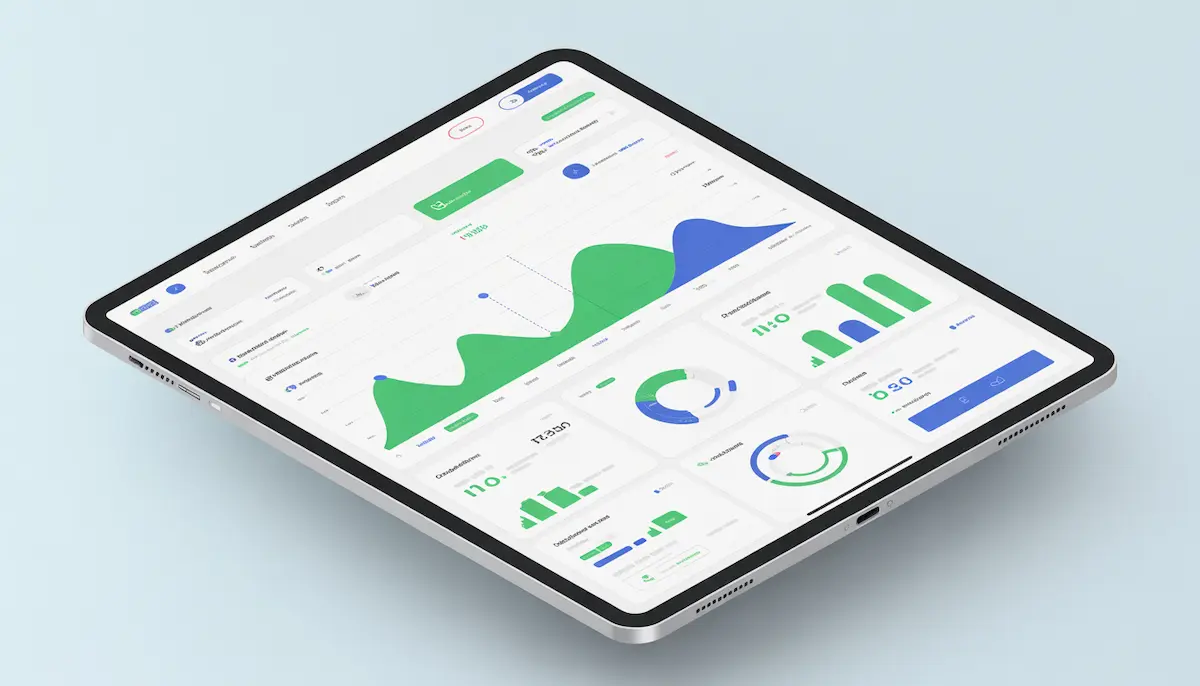
3. Feature Comparison at a Glance: Technical Power vs. User Experience
When evaluating Midjourney v6 and DALL-E 3 for a commercial workflow, we must look beyond the “cool” factor and analyze the technical levers that a designer can actually pull. In 2026, the gap between these two has narrowed, but their strengths remain specialized.
Image Resolution and Upscaling
In the commercial world, resolution is everything. If you are designing a hero banner for a website or a print poster, you need high DPI (dots per inch).
Midjourney v6: This tool is the king of resolution. It features built-in “Subtle” and “Creative” upscalers that can push images to 4K resolution without losing detail. In fact, Midjourney’s upscaling often adds realistic textures like skin pores or fabric weaves that weren’t in the original low-res version.
DALL-E 3: While DALL-E 3 produces clean 1024×1024 or 1792×1024 (widescreen) images, it lacks a high-end native upscaler. Designers usually have to use third-party tools like Topaz Gigapixel to make DALL-E 3 images print-ready.
In-Painting and Out-Painting (The Editability Factor)
The biggest frustration in AI design is getting a perfect image except for one small detail.
Midjourney’s “Vary Region”: Midjourney v6 offers a surgical in-painting tool. You can select a specific area—say, a model’s watch—and prompt the AI to change only that watch to a “gold Rolex style.” It maintains the lighting and skin tone of the rest of the image perfectly.
DALL-E 3’s Conversational Editing: DALL-E 3 takes a different approach. You don’t use a brush; you talk to it. You say, “Now make the sky sunset orange,” and it regenerates the image. While easier to use, it often changes other parts of the image unintentionally, making “pixel-perfect” editing more difficult than in Midjourney.
Aspect Ratios and Customization
Midjourney: Offers total freedom with the
--arcommand. Whether you need a 9:16 for a TikTok ad, a 21:9 for a cinematic header, or a custom 3:2 for a photo print, Midjourney handles it natively. It also allows for “Style Reference” (--sref), which lets you upload an image to tell the AI, “Make my new generation look exactly like this color palette.”DALL-E 3 is more restrictive. It offers Square, Wide, and Tall formats, but lacks the deep “Parameter Tuning” (like
--stylizeor--weird) that allows Midjourney power users to create a unique, non-generic look for their brand.
Summary Table
| Feature | Midjourney v6 | DALL-E 3 |
| Native Upscaling | Up to 4K (Excellent) | Standard 1024px (Average) |
| In-Painting | Surgical / Selection tool | Conversational / Global |
| Style Consistency | High (using Style References) | Moderate (through Chat) |
| Aspect Ratio | Any custom ratio | Fixed (Square, Wide, Tall) |
4. Legal and Ethical Considerations for US Businesses
As we navigate through 2026, the excitement surrounding AI-generated imagery is being met with a sobering reality: the American legal system is still catching up. For US-based businesses, creative agencies, and freelance designers, using Midjourney or DALL-E 3 isn’t just a matter of “click and generate.” It involves navigating a minefield of copyright laws, “fair use” doctrines, and evolving ethical standards that could determine the long-term viability of a brand’s assets.
The Copyright Conundrum: Can You Own AI Art?
The most significant hurdle for commercial designers in the USA is the current stance of the U.S. Copyright Office (USCO). As of now, the law is clear: AI-generated content that does not have “sufficient human authorship” cannot be copyrighted. This means that if you generate a stunning logo in Midjourney using a simple prompt, you may not actually own that logo in the traditional sense. A competitor could, in theory, use that same image, and you might have no legal grounds to sue for copyright infringement.
However, there is a gray area. If a designer uses DALL-E 3 to generate an initial concept and then spends hours in Photoshop refining, editing, and adding original elements, the final composition may qualify for copyright protection. The legal focus is on the “Human Spark.” For a US business, the safest route is to treat AI as a “starting point” (a digital assistant) rather than a “final creator.”
Terms of Service and Commercial Rights
While the government might not grant you copyright, the platforms themselves grant you Commercial Usage Rights. Both Midjourney (under their paid Pro and Mega plans) and OpenAI (for DALL-E 3 paid users) generally allow you to use the images for commercial purposes—meaning you can sell them, print them on merchandise, or use them in client projects.
But there is a catch. Midjourney’s images, unless you pay for a “Pro” plan with “Stealth Mode,” are public. This means anyone can see your prompts and images in the Midjourney gallery. For a US business working on a secret product launch, using DALL-E 3 (which is private by default) or Midjourney’s Stealth Mode is an absolute necessity to protect trade secrets.
The Ethics of Training Data
Ethically, the two tools sit on different ground. Midjourney has faced criticism and lawsuits for training its models on artists’ work without explicit consent. DALL-E 3, being part of the Microsoft/OpenAI ecosystem, has implemented more “opt-out” features for artists and built-in “guardrails” to prevent the generation of images in the specific style of a living artist. For US corporations concerned with “Brand Safety” and ethical sourcing, DALL-E 3 is often viewed as the “cleaner” and safer corporate choice, whereas Midjourney is seen as the “raw” creative powerhouse.
5. Pricing and ROI: Which AI Offers the Best Value for Your Money?
In the commercial world, every tool is an investment. In 2026, the cost of AI is no longer just about the monthly subscription fee; it’s about how much time it saves your creative team and the quality of the final output. Let’s break down the financial side of Midjourney v6 and DALL-E 3.
Midjourney Pricing: The Professional’s Tier
Midjourney offers a tiered subscription model that caters to everyone from solo freelancers to large agencies:
Basic Plan ($10/month): Great for beginners, giving you about 200 generations per month.
Standard Plan ($30/month): The most popular choice for professionals. It offers 15 hours of “Fast GPU” time and, more importantly, unlimited “Relax” mode generations. For a busy designer, “unlimited” is a game-changer.
Pro & Mega Plans ($60–$120/month): These are essential for businesses that require Stealth Mode (keeping your generations private from the public gallery) and higher concurrent job limits.
ROI Factor: If a professional photoshoot for a product costs $2,000, Midjourney’s $30 plan can replicate that value dozens of times over. For agencies, the ROI is massive because it slashes production costs by nearly 90%.
DALL-E 3 Pricing: The Integrated Value
DALL-E 3 is bundled differently. Most users access it via ChatGPT Plus ($20/month).
What you get: For $20, you don’t just get an image generator; you get the world’s most powerful AI writing assistant, a data analyst, and DALL-E 3.
Limitations: While it’s cheaper as a bundle, it has message caps (typically 50 images every 3 hours). For high-volume production houses, this might be a bottleneck.
API Access: For businesses building their own apps, OpenAI offers “pay-per-image” pricing, starting at roughly $0.04 to $0.12 per image, depending on the resolution and quality (HD).
ROI Factor: DALL-E 3 wins on “Multi-tool Value.” If your business needs help with copywriting, coding, and design, the $20 ChatGPT Plus sub is the best bargain in the AI industry.
Final Conclusion: The Verdict for 2026
The battle between Midjourney v6 and DALL-E 3 isn’t about which tool is “better” in a vacuum. It’s about which tool fits your specific commercial needs.
Choose Midjourney v6 if your priority is Visual Excellence. It is the tool for high-end branding, realistic product photography, and cinematic art. It requires more skill but pays off with unmatched quality.
Choose DALL-E 3 if your priority is Workflow Efficiency. It is the tool for rapid ideation, social media content, and projects where text accuracy and prompt following are non-negotiable.
In 2026, the most successful designers aren’t picking sides—they are mastering both. By integrating these AI titans into a hybrid workflow, you can deliver agency-level results at a fraction of the traditional cost and time.
Frequently Asked Questions (FAQs)
1. Can I use Midjourney or DALL-E 3 images for commercial ads?
Yes, both platforms grant commercial usage rights to paid subscribers. However, remember that AI-only images cannot be copyrighted in the USA; you must add “human authorship” to protect your brand assets.
2. Which AI is better at writing text inside images?
DALL-E 3 is significantly better at rendering specific text and following complex instructions. Midjourney v6 has improved, but still occasionally struggles with longer phrases.
3. Do I need a powerful computer to run these?
No. Both tools run in the cloud. Midjourney works via Discord or its web portal, and DALL-E 3 works through ChatGPT or Bing. All you need is a stable internet connection.
4. Is Midjourney v6 better than DALL-E 3 for realistic faces?
Yes. Midjourney v6 is widely considered the industry leader for photorealistic human features, skin textures, and lighting.